|
Empowering Rural Entrepreneurs Through Solar and Electric Dryer Technology
11-04-2025
Details on score above existing knowledge/technology and the novelty of the work?
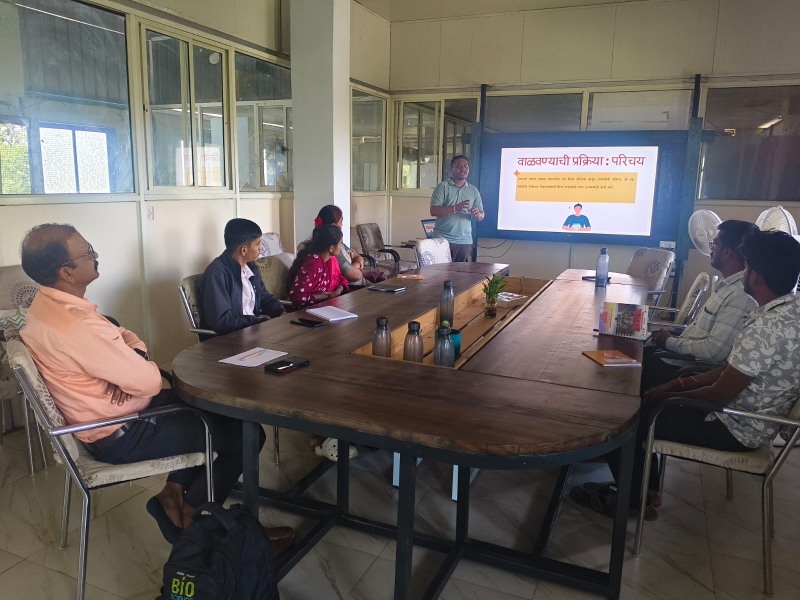
The two-day training held on October 4–5, 2025 introduced rural participants to advanced yet low-cost dehydration technologies that go beyond their traditional knowledge of food preservation. Many of the nine participants had limited exposure to modern drying techniques or value addition methods. The novelty of the work lay in demonstrating how solar and electric dryers can significantly reduce post-harvest losses, improve product quality, and create new income opportunities. This training helped participants understand how scientific drying parameters—such as temperature, humidity, and drying duration—can transform raw agricultural produce into market-ready products.''
Explanation of the science/technology behind the work?
Solar and electric dryers operate on the scientific principle of controlled dehydration, removing moisture from food materials while preserving flavor, color, and nutrients. Solar dryers use sunlight captured inside an insulated chamber, allowing uniform heating and reducing microbial growth. Electric dryers use regulated heating elements and controlled airflow to ensure consistent drying. By understanding and managing factors such as humidity, temperature, and air circulation, participants learned how to produce high-quality dehydrated foods like vegetables, masalas, Instant Puran, and Kheer Mix. This technology makes preservation more efficient and enables year-round production of value-added products.
Process of the research or process of development of technology.
The solar and electric dryer technologies demonstrated during the training were developed through iterative testing, focusing on energy efficiency, affordability, and practicality for rural use. During the workshop, participants worked hands-on with these dryers at Vigyan Ashram’s production site. They learned the complete workflow—from preparing raw materials and loading trays to monitoring drying progress and ensuring product quality. Interaction with existing entrepreneurs further helped participants understand real-world challenges, business processes, packaging, and market requirements. This practical exposure made the technology easy to understand and adopt.
Publication/Patent details as well as funding organization.
The technologies demonstrated are fully developed and used regularly in Vigyan Ashram’s production units. They are not linked to any publication or patent. The training program was conducted by the Entrepreneurship Development Center, Vigyan Ashram (Startup Sarathi) as part of its ongoing efforts to promote rural entrepreneurship and provide hands-on skill training.
How did it benefit people? - Number of people
9
|